



Pakistan’s textile and apparel industry is increasingly focusing on sustainable manufacturing practices, digital transformation and technology-driven supply chains as global markets continue to place greater emphasis on environmental compliance and operational efficiency. Industry and academic leaders highlighted the need for stronger adoption of green supply chains, carbon emission management, artificial intelligence and STEM-focused education during a discussion held at the Asma M. Hashmi STEM Centre at NED University of Engineering & Technology, Karachi. The discussion was organized in connection with the launch of the second Global Procurement & Supply Chain Summit (GPS 2027), which is scheduled to take place on January 20, 2027, in Karachi. The event brought together representatives from the textile and apparel sector, technology and engineering fields, procurement professionals, academic institutions and media organizations to discuss emerging challenges and opportunities shaping Pakistan’s industrial landscape.
Mr. Hafiz Kashif, Director of Artistic Milliners, highlighted the growing role of sustainability in maintaining Pakistan’s position in international textile markets. He noted that global buyers, particularly those operating in environmentally conscious markets, are increasingly evaluating suppliers based on environmental performance, responsible sourcing practices and supply chain transparency. Factors such as carbon footprint reduction, energy efficiency, water conservation, renewable energy adoption and compliance with international sustainability standards are becoming important considerations in procurement decisions. As global sustainability expectations continue to evolve, Pakistani exporters are facing increasing requirements to demonstrate measurable improvements in environmental performance while maintaining competitiveness. The transition towards cleaner production methods and responsible supply chain practices is becoming an important factor for long-term export growth. However, the discussion also highlighted challenges faced by manufacturers and smaller suppliers in adopting new sustainability measures while managing operational costs and changing compliance requirements.
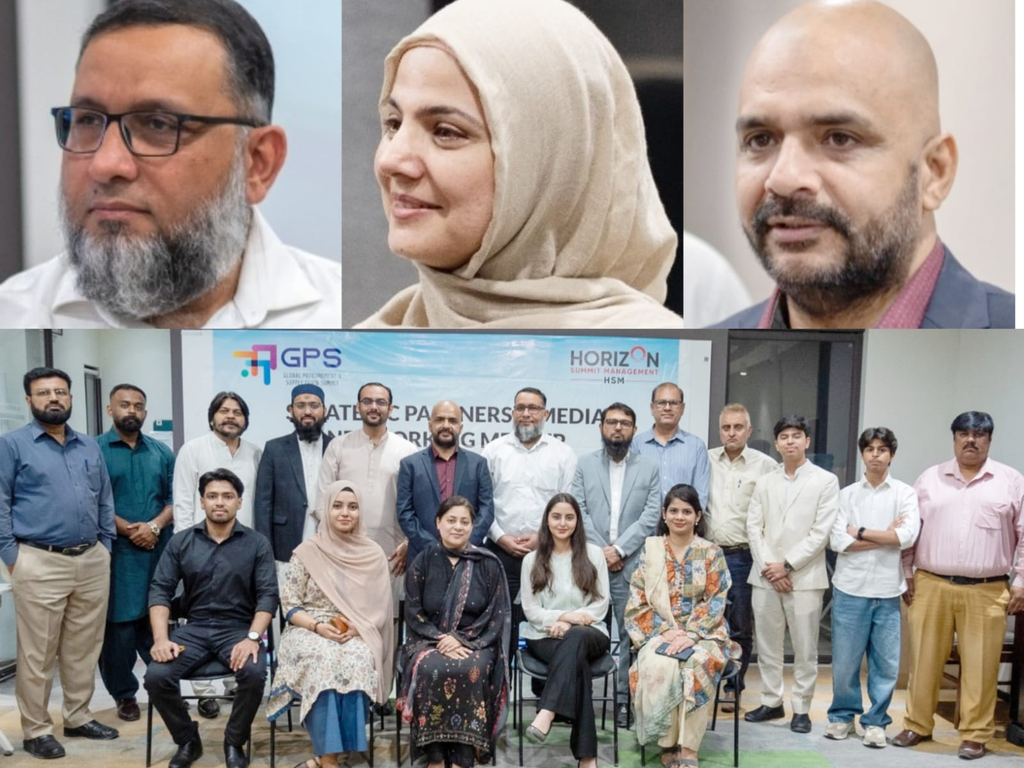
Dr. Majida Kazmi, Professor at NED University, Vice Chairperson of the Institution of Engineers Pakistan Karachi Centre (IEP-KC), and Director of the Asma M. Hashmi STEM Centre, emphasized the importance of digital transformation, artificial intelligence and technology-focused education in preparing industries and professionals for future demands. She highlighted that AI, automation and digital technologies are increasingly influencing industrial operations, procurement processes and supply chain decision-making, making technology awareness a necessary skill for both businesses and future workforce development. Dr. Kazmi also emphasized the importance of strengthening STEM education through an interdisciplinary approach that connects Science, Technology, Engineering and Mathematics with practical industry challenges. She noted that integrating these areas can help students develop analytical thinking, innovation capabilities and problem-solving skills required in a technology-driven economy. Stronger collaboration between universities and industry was identified as a key requirement to bridge the gap between academic learning and evolving market needs.
Participants at the gathering highlighted that Pakistan’s future textile competitiveness will depend on multiple factors, including sustainable production, digital readiness, supply chain resilience and skilled workforce development. Beyond traditional manufacturing strengths, companies are increasingly required to adopt intelligent automation, data-driven systems and environmentally responsible practices to meet international expectations. Speaking at the event, Syed Faisal Ali, CEO of Horizon Summit Management, thanked participants for their contributions and acknowledged the role of media professionals in highlighting Pakistan’s industrial capabilities, innovation potential and professional talent. He emphasized the importance of responsible media coverage in increasing visibility of the country’s economic opportunities and technology-driven developments. The upcoming Global Procurement & Supply Chain Summit 2027, organized by Horizon Summit Management, will bring together industry leaders, procurement specialists, technology experts, policymakers and academic representatives to discuss sustainable procurement, green supply chains, industrial automation, artificial intelligence and digital transformation. The summit will take place on January 20, 2027, in Karachi and will focus on strengthening collaboration across Pakistan’s textile and apparel value chain while exploring strategies to improve export competitiveness in global markets.
Follow the SPIN IDG WhatsApp Channel for updates across the Smart Pakistan Insights Network covering all of Pakistan’s technology ecosystem.